
Last Epoch has five base classes—Sentinel, Mage, Rogue, Primalist, and Acolyte—and each branches into three masteries, for fifteen masteries total. Choose the base class whose basic combat language you already enjoy, then use the mastery to narrow that language: shield fighter, elemental caster, shadow attacker, companion leader, curse specialist, or another distinct direction.
This guide covers Season 5, Rage of the Frostborn, as of October 8, 2026, including the relevant targeting changes in patch 1.5.2. It is a class-and-mastery map, not a universal power ranking. A class can feel excellent or awkward depending on the skill loop, defensive plan, equipment, and activity you choose.
Choose a Last Epoch class by the action you want to repeat
Start with the moment-to-moment action, not a tier label:
- Choose Sentinel if you want weapons, shields, direct melee pressure, holy effects, forged allies, or void attacks.
- Choose Mage if you want elemental spells, high-impact casting, an elemental melee hybrid, or rune-driven combinations.
- Choose Rogue if you want fast movement, bows, blades, shadows, traps, or a falcon partner.
- Choose Primalist if you want beasts, totems, storms, nature magic, or transformation.
- Choose Acolyte if you want undead minions, curses, blood magic, poison, necrotic effects, or health-risk mechanics.
If two classes appeal equally, decide what you do not want to manage. Players who dislike directing minions should not choose a class mainly for its summons. Players who dislike close-range positioning should not choose a mastery mainly for weapon contact. Players who dislike sequencing effects should favor a more direct attack or spell loop over a combination-heavy concept.
All five base classes and fifteen masteries
| Base class | Mastery | Practical identity |
|---|---|---|
| Sentinel | Paladin | A faith-and-shield warrior associated with fire, lightning, healing, and direct protection. |
| Sentinel | Forge Guard | An armored weapon specialist that can combine martial attacks with forged weapons and other metal-themed tools. |
| Sentinel | Void Knight | A melee-and-spell hybrid built around void effects, time manipulation, and attacks such as Erasing Strike or Abyssal Echoes. |
| Mage | Sorcerer | The most direct large-spell fantasy among the Mage masteries, using effects such as Meteor, Black Hole, and other elemental casting. |
| Mage | Spellblade | An elemental melee hybrid that brings wards, enchanted weapons, and close-range attacks into the Mage kit. |
| Mage | Runemaster | A rune-focused caster whose identity rewards deliberate elemental and battlefield setup. |
| Rogue | Marksman | The bow-centered Rogue mastery, suited to players who want ranged attacks and projectile-based combat. |
| Rogue | Bladedancer | A mobile melee mastery centered on blades, shadows, and rapid repositioning. |
| Rogue | Falconer | A Rogue who fights alongside a falcon and can mix companion actions, traps, and character attacks. |
| Primalist | Beastmaster | A companion-oriented brawler who fights with wild animals rather than standing apart from them. |
| Primalist | Shaman | A nature caster associated with totems, weather, elemental effects, and minion or spell interactions. |
| Primalist | Druid | The transformation-focused mastery for players drawn to changing form and combining that identity with nature skills. |
| Acolyte | Necromancer | The clearest undead-army choice, with skeletons, wraiths, golems, and sacrifice interactions. |
| Acolyte | Lich | A self-focused death-and-blood caster that can trade health safety for aggressive effects. |
| Acolyte | Warlock | A curse-focused caster built around lingering ailments, rifts, and damage-over-time pressure. |
These descriptions identify playstyle, not strength. They also do not lock every mastery into one damage type or one finished build. Skill trees can change how a skill behaves, and equipment can support very different versions of the same broad concept.
What each base class feels like
Sentinel: weapons, shields, faith, and the Void
Sentinel is the cleanest starting point if you want the visual and mechanical language of an armored warrior. Its base kit includes direct weapon actions such as Vengeance, Hammer Throw, Shield Rush, and Warpath. The masteries then pull that foundation apart in three directions.
Paladin emphasizes faith, light, healing, and shield play. Forge Guard emphasizes steel, equipment, and animated weapons. Void Knight replaces the righteous theme with void power and time-bending effects. Choose Sentinel because one of those three fantasies sounds good, not because “warrior” automatically means simple. A spinning Warpath concept, a shield caster, and a void spell-melee hybrid can demand very different positioning and resource habits.
Mage: direct spells, elemental melee, or rune sequencing
Mage begins with familiar elemental casting. Lightning Blast, Fireball, Teleport, Static Orb, and other spells make the base class easy to read conceptually: you spend mana to control space and remove enemies with magic. The mastery choice decides whether you stay close to that expectation.
Sorcerer leans into large, direct spells. Spellblade moves the class toward melee weapons, elemental attacks, and ward-based protection. Runemaster makes rune interaction central to its identity. Pick Sorcerer when the cast itself is the payoff, Spellblade when you want to fight in weapon range without leaving elemental magic behind, and Runemaster when building and releasing combinations is part of the fun.
Rogue: range, shadows, speed, and a falcon
Rogue covers more than bow combat. Marksman is the dedicated ranged branch; Bladedancer is the mobile blade-and-shadow branch; Falconer adds an animal partner and coordinated attacks. The shared appeal is speed and active positioning.
Marksman suits the player who wants to create distance and attack through projectiles. Bladedancer suits the player who wants to enter, strike, create or use shadows, and move again. Falconer suits the player who likes a companion but still wants the character’s own traps and attacks to matter. If you want an undead army to do most of the fighting, Necromancer is a clearer match than choosing Falconer merely because it has a minion.
Primalist: companions, weather, totems, and forms
Primalist is the broad nature class. Its early identity includes a wolf companion, Gathering Storm, Thorn Totem, and physical attacks, so both direct combat and summoned support are present before the masteries separate them.
Beastmaster is the most direct animal-companion route and keeps the player in the fight. Shaman carries the totem, storm, and elemental side. Druid owns the transformation fantasy. The useful question is whether you want nature to appear mainly as creatures, environmental magic, or your own changed form. That answer is more durable than choosing whichever individual skill currently looks strongest.
Acolyte: minions, curses, blood, and decay
Acolyte starts from dark magic. Rip Blood, Summon Skeleton, poison effects, and necromantic tools establish a choice between commanding servants and turning death magic into the character’s own offense.
Necromancer is the obvious pick for an undead roster and sacrifice interactions. Lich is the self-centered, riskier branch, where blood magic, decay, and personal offense matter more than maintaining an army. Warlock is the curse-and-ailment branch, using persistent effects and rift-like magic. Choose Acolyte only if its darker resource and effect language appeals to you; choosing Necromancer for minions and then wishing to ignore minion behavior creates friction immediately.
How mastery choice changes your character
A base class gives you the common starting kit and overall theme. A mastery gives that class a more specific combat identity. This means “I want a Mage” is only half a decision. A Sorcerer dropping large spells, a Spellblade attacking in melee, and a Runemaster arranging rune effects do not solve fights in the same way.
Before committing your attention to a mastery, answer four questions:
- What creates damage? Decide whether you want your character, a minion, a totem, a damage-over-time effect, or a triggered effect to do the visible work.
- Where do you stand? Separate close melee, mobile hit-and-move play, conventional range, and indirect placement.
- What do you maintain? Consider companions, shadows, wards, transformations, buffs, ailments, or rune sequences.
- What feedback feels satisfying? A large spell, rapid weapon hits, a screen of minions, or layered damage-over-time effects can all succeed while feeling completely different.
Use the passive and skill interfaces to confirm that the actions you enjoy remain central after specialization. A mastery name is a theme; your repeated inputs are the actual play experience.
Season 5 class additions that may change your choice
Season 5 adds three class-specific skills that sharpen particular mastery fantasies without changing the five-class, fifteen-mastery structure.
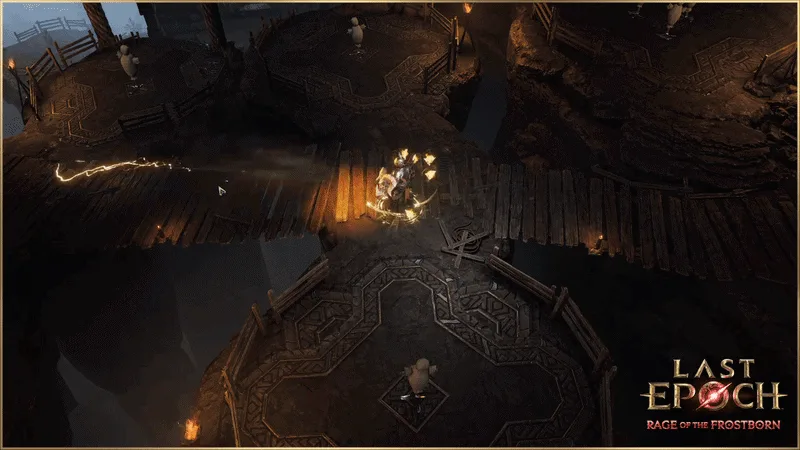
Radiant Lance belongs to Paladin. It uses a shield by default and fires a concentrated beam, while its tree can support different damage conversions and an alternate reliquary-based delivery. It is relevant if the idea of a shield-bearing spell user is what attracts you to Sentinel.
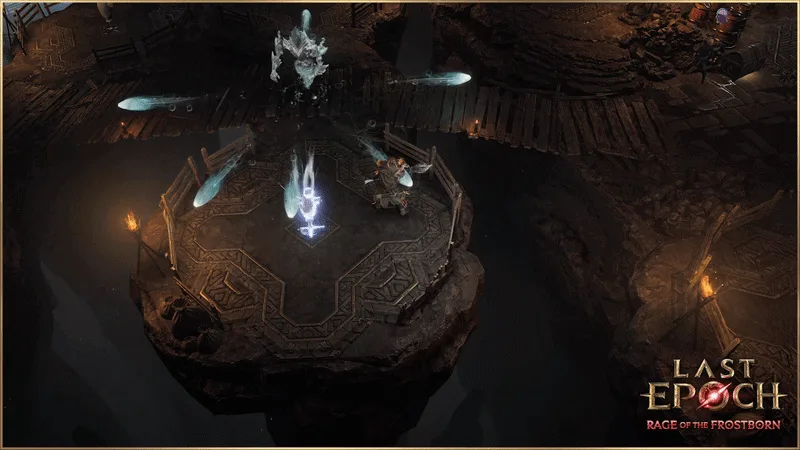
Summon Tide Elemental belongs to Shaman. It creates a permanent elemental minion that uses cold spells and Geyser, with tree directions involving totems, storms, other companions, or damage conversion. It makes Shaman more relevant to players who want both nature casting and a lasting summoned ally.
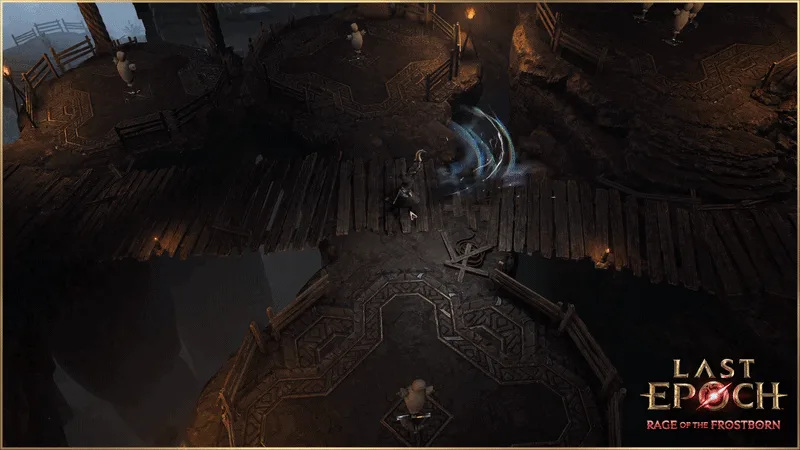
Dreamslash belongs to Bladedancer. It is a melee movement attack that can interact with Shadows and has physical, cold, and fire directions in its tree. It fits players who want Rogue movement and shadow coordination rather than conventional bow range.
Patch 1.5.2 also matters for current behavior: Lightning Blast now prioritizes non-breakable targets and only chains to breakable objects when its available chains exceed the number of non-breakable targets. Shadows copying Dreamslash through Nightmare Steel now aim toward the cursor. Those changes describe targeting behavior; they do not establish a class ranking.
A reliable class-selection checklist
Use this order when starting a character:
- Pick the combat family. Choose martial weapons, direct spells, minions, nature tools, or dark ailments.
- Pick your preferred distance. Decide whether you want to stay close, attack from range, move through targets, or let another unit hold attention.
- Choose your management load. Direct attacks usually ask for different attention than shadows, multiple minions, totems, transformations, or rune sequences.
- Match the mastery, not just the base class. Confirm that one of the class’s three masteries supports the exact loop you want.
- Check the skill itself before planning around it. Read its tags and tree. A familiar-looking skill may support conversions or delivery methods that change which stats and passives matter.
- Separate class choice from build choice. Choose the combat family and mastery first. Then inspect a build’s exact skill setup, equipment priorities, transition logic, defense, and resource fixes.
- Ignore universal tier claims. Rankings only become useful when they name the activity, equipment assumptions, and version. “Best class” without those conditions cannot tell you whether you will enjoy leveling or the finished rotation.
- Test the basic loop early. Focus on whether movement, targeting, resource use, and visual feedback suit you. Do not judge an entire mastery from a single early skill, but do treat dislike of its central mechanic as useful information.
Common class-choice mistakes
The first mistake is choosing a mastery for one showcased endgame interaction while disliking its normal setup. The second is confusing a mastery theme with a complete build: “Paladin,” “Falconer,” or “Warlock” still leaves major skill, defense, and equipment decisions open.
Another mistake is treating every minion class as equally hands-off. Necromancer’s undead roster, Falconer’s coordinated partner, Beastmaster’s companions, and Shaman’s Tide Elemental or totems represent different relationships between the player and summoned units. Likewise, not every Mage stays at range, not every Sentinel is purely melee, and not every Rogue is a bow user.
The useful final choice is therefore specific: “I want a mobile shadow melee Bladedancer,” “I want a permanent-minion Shaman,” or “I want a direct large-spell Sorcerer.” Once you can state the repeated action and the mastery together, you are ready to choose a build without relying on an unsupported universal tier list.